
Across the Country Without the Chaos: Structuring a Boston-to-San Francisco Move
A move from Boston to San Francisco is not something that should be squeezed into a single hurried schedule. The distance alone creates several moving parts, from preparing the original home and loading the shipment to coordinating transportation and getting ready for delivery in California.
A multi-day plan gives each stage enough breathing room. Instead of packing, loading, traveling, and preparing the destination simultaneously, you can give every task its own place on the calendar. This approach is particularly helpful when coordinating Boston to San Francisco Moving for a household with substantial furniture and belongings.
Start by Working Backward From Your Target Date
Choose the date when you ideally want to be settled in San Francisco. From there, work backward and establish milestones for sorting, packing, moving preparation, and departure.
Avoid treating the moving date as the only important deadline. Lease expiration, property closing, work commitments, school schedules, and travel arrangements may all influence the timeline.
For residents arranging a long-distance relocation from Massachusetts, https://bostonjusthelpersmoving.com/ can be useful when researching professional moving assistance and planning the physical transportation stage.
Create a Pre-Move Preparation Window
The first part of the schedule should focus on reducing the amount of work left for moving day.
Begin by sorting possessions room by room. Remove items that will not make the journey and decide which belongings require specialized protection.
Separate Everyday Items From Moving Cargo
Create a clearly identified group of things that will travel with you. This can include clothing, toiletries, important documents, chargers, basic medications, and other immediate necessities.
Keeping these items separate prevents the common problem of arriving at your destination with everything packed but nothing readily available.
Reserve Time for Packing
Packing an entire household is rarely a one-evening task. Give yourself several days, or longer for a larger home.
Start with possessions you do not use every day, such as seasonal clothing, decorative objects, books, and rarely used kitchen equipment. Leave frequently needed items until closer to departure.
Boxes should be labeled by room, while particularly fragile containers should be clearly identified. A simple inventory can also make checking your belongings easier after delivery.
Schedule the Loading Stage Carefully
The loading day should have its own realistic timeframe rather than being treated as a small detail between packing and travel.
Before the crew arrives, clear pathways through the home. Make sure furniture that requires disassembly has been identified and remove obstacles from stairs, hallways, and entrances.
If the property has restricted parking, a freight elevator, narrow access points, or building-specific requirements, communicate those details before the scheduled loading period.
Build Flexibility Into Transportation
Boston to San Francisco Moving involves a substantial cross-country journey, so avoid creating a personal schedule that depends on an overly precise delivery assumption.
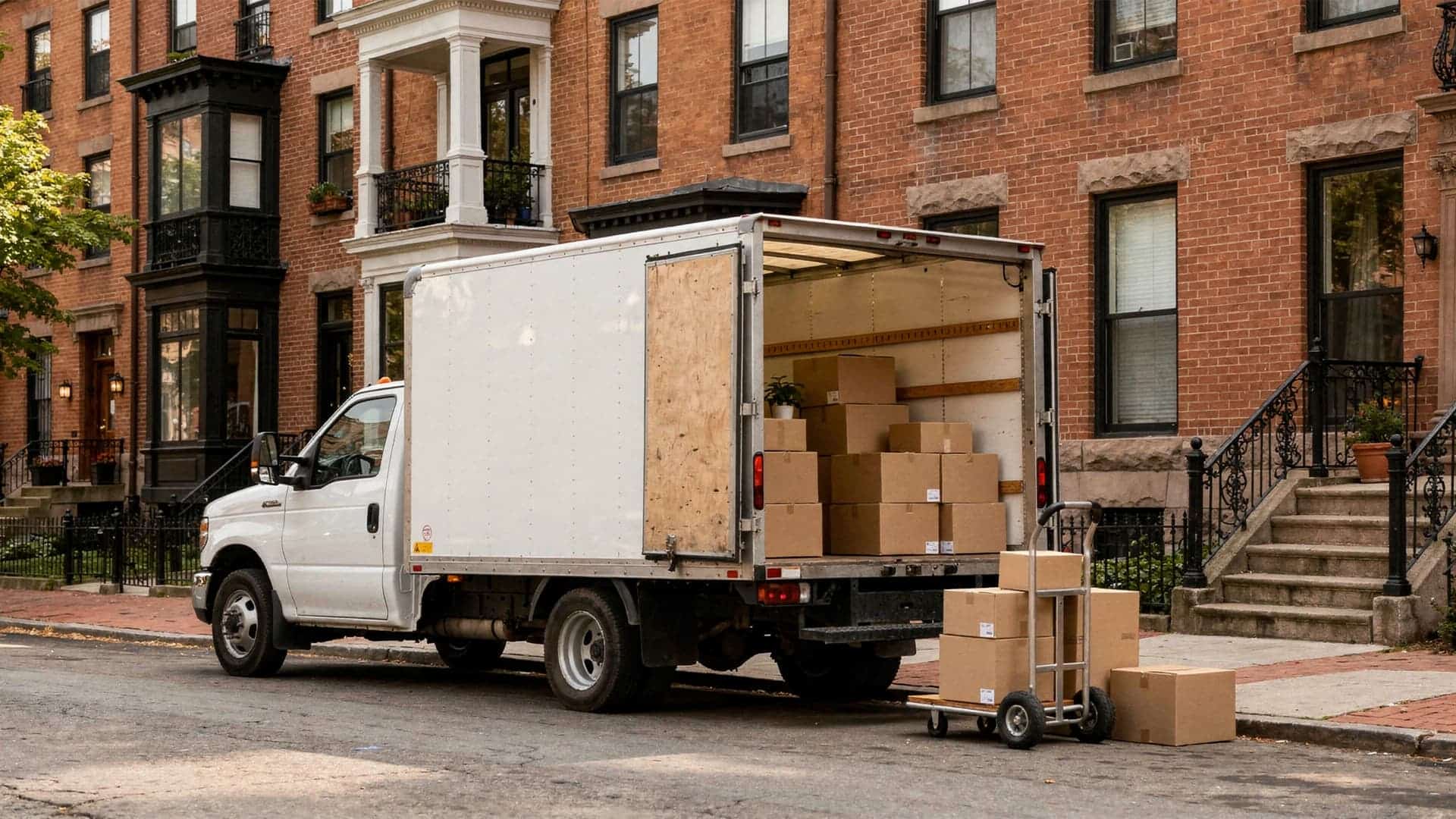
Your own travel plans can be arranged independently from the shipment whenever possible. Consider allowing additional time between your arrival and the expected delivery so that a change in transportation timing does not immediately disrupt work, accommodation, or other commitments.
This buffer can be especially valuable for people beginning a new job or moving into a property with a strict access schedule.
Prepare the San Francisco Property Early
Destination preparation should happen while the Boston side is being organized.
Confirm the delivery address and make sure the property will be accessible when the shipment arrives. Apartment and condominium residents should check elevator reservations, loading areas, parking restrictions, and building rules.
If possible, decide where major furniture pieces will be placed before delivery. A basic room layout makes it easier for movers to position heavy items correctly without repeated rearranging.
Keep a Dedicated Arrival Kit
Your first evening in San Francisco may happen before every box is unpacked. Prepare accordingly.
Keep a separate bag or small collection of boxes containing clothing, toiletries, chargers, documents, basic cookware, cleaning supplies, and anything else you will need immediately.
This simple step can make the first night significantly more comfortable, particularly after a long relocation.
Use the Schedule as a Working Plan
A useful moving calendar should provide structure without becoming a source of additional pressure. Mark major milestones, but leave room for unexpected tasks.
The most important checkpoints include completing the household inventory, finishing packing, preparing the Boston property, confirming transportation details, checking destination access, and preparing for unloading.
For additional information about Boston to San Francisco relocation options, https://bostonjusthelpersmoving.com/ can be reviewed alongside your own moving checklist before the schedule is finalized.
Make Every Day Have a Purpose
A successful cross-country relocation is easier to manage when each day has a defined role. One day can focus on sorting, another on packing, another on final home preparation, and another on departure and travel arrangements.
Instead of watching the calendar and worrying about everything that remains unfinished, you can work through a sequence of manageable tasks. That structure makes Boston to San Francisco Moving feel less like one enormous undertaking and more like a series of practical steps leading toward your new home.