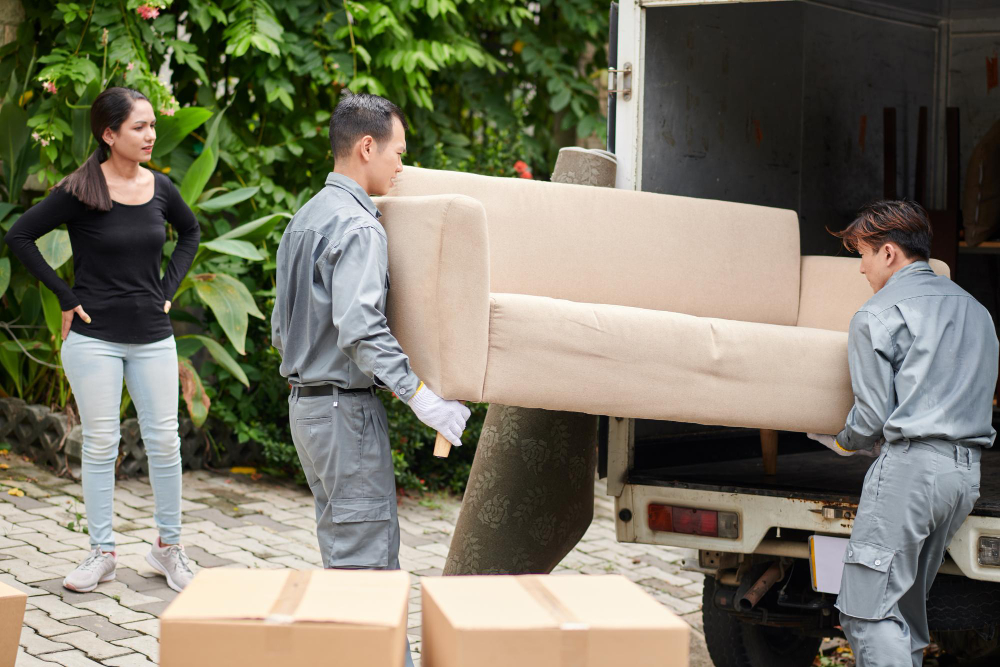
Spend Your Moving Budget Where It Matters: Tasks That Can Reduce Professional Moving Costs
A professional move does not have to mean handing over every single task from start to finish. Depending on the circumstances, homeowners may be able to handle certain preparation jobs themselves while leaving the heavier and more specialized work to experienced movers.
The key is knowing which tasks can realistically reduce the workload and which are better left to professionals. A few hours spent preparing the household can improve efficiency without turning moving day into a stressful DIY project.
Begin With the Inventory
One of the easiest ways to influence moving costs is to reduce the amount that actually needs to be transported.
Walk through the property before requesting or confirming a moving service. Look at furniture, boxes, appliances, clothing, decorations, outdoor belongings, and items hidden in storage areas.
Remove What You No Longer Need
Selling, donating, recycling, or disposing of unwanted possessions before the move means fewer items have to be handled and transported.
This is particularly useful for bulky furniture. Paying to move a large item that you already know will not be used in the new home adds unnecessary work to the relocation.
Handle Basic Decluttering Yourself
Professional movers can transport belongings, but homeowners are often best positioned to decide what should stay.
Sort possessions before the crew arrives. Create separate areas for items being moved, donated, sold, discarded, or temporarily stored.
This can save time because the moving team does not have to wait while decisions are made in the middle of the loading process.
Pack What You Can Safely Manage
Packing is another area where some households may reduce the professional workload.
If you have sufficient time and appropriate materials, ordinary belongings such as clothing, books, linens, and some household accessories can often be prepared in advance.
The important distinction is between routine packing and items that require specialized protection. Fragile objects, valuable possessions, large electronics, artwork, and unusually shaped belongings may benefit from professional handling.
Keep Boxes Manageable
Avoid creating extremely heavy containers simply because you are trying to minimize the number of boxes. Dense belongings should be distributed sensibly so that boxes can be lifted and transported safely.
Clear labels can also save time during loading and unloading.
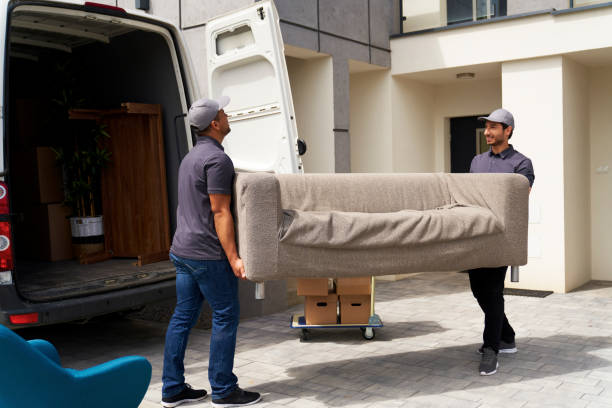
Disassemble Simple Furniture in Advance
Some homeowners can reduce moving-day preparation by taking apart straightforward furniture before the crew arrives.
Beds, basic shelving, tables, and other pieces designed for easy disassembly may be candidates, provided you are comfortable doing the work and can preserve the necessary hardware.
Do not attempt to dismantle complex furniture, specialized equipment, or anything where incorrect disassembly could cause damage.
Keep screws and other small components in clearly labeled bags attached to the corresponding item.
Prepare the Property for Easy Access
A moving crew works more efficiently when the route from the belongings to the vehicle is clear.
Remove unnecessary obstacles from hallways, entrances, driveways, and walkways. Make sure boxes are grouped where they can be reached easily.
If building management requires elevator reservations or specific loading arrangements, organize those details before moving day.
These small preparations may not change the entire moving estimate, but they can prevent avoidable delays.
Choose the Service Level Carefully
Not every relocation requires the same degree of professional involvement.
Some customers want a comprehensive moving experience, while others prefer to take responsibility for preparation and hire movers primarily for transportation and heavy lifting.
Price Movers provides moving solutions for customers looking for practical and cost-conscious relocation options. Its local moving services can be explored at https://pricemovers.com/services/local-movers/cheap-movers.
The best approach is not necessarily to do as much as possible yourself. It is to determine which tasks genuinely make sense for you to handle and which would consume too much time, energy, or involve unnecessary risk.
Prepare Appliances and Special Items Early
Large appliances can create delays when they are still full, connected, or surrounded by clutter.
Empty refrigerators and freezers, remove loose contents, and prepare appliances according to manufacturer recommendations. Specialized utility disconnections should be handled by appropriately qualified professionals.
Doing what is safe and practical before the moving crew arrives can make the loading process more straightforward.
Keep Essential Belongings Separate
A common moving-day problem is discovering that something important has already been packed or loaded.
Create a personal essentials bag containing documents, chargers, toiletries, medications, basic clothing, and other necessities. Keep valuables and important personal possessions where you can access them.
This does not necessarily lower the moving price directly, but it makes the overall process more efficient and prevents unnecessary unpacking during the transition.
Ask What Actually Affects Your Move
Before taking on extra work solely to save money, discuss the planned service with the moving company. Ask which preparation tasks could make the biggest practical difference for your particular relocation.
Price Movers can be found at https://pricemovers.com/, where customers can review moving options and determine which level of assistance fits their situation.
The most sensible cost-saving strategy is usually a combination of decluttering, advance preparation, sensible packing, and choosing only the services that genuinely add value. Handle the tasks that are straightforward and safe, while allowing professionals to concentrate on heavy lifting, transportation, difficult items, and the parts of the move where their experience provides the greatest benefit.

Related Posts

Let’s do the Monster Bash

War Horse Legends Challenging returning to FW